What’s Happening?
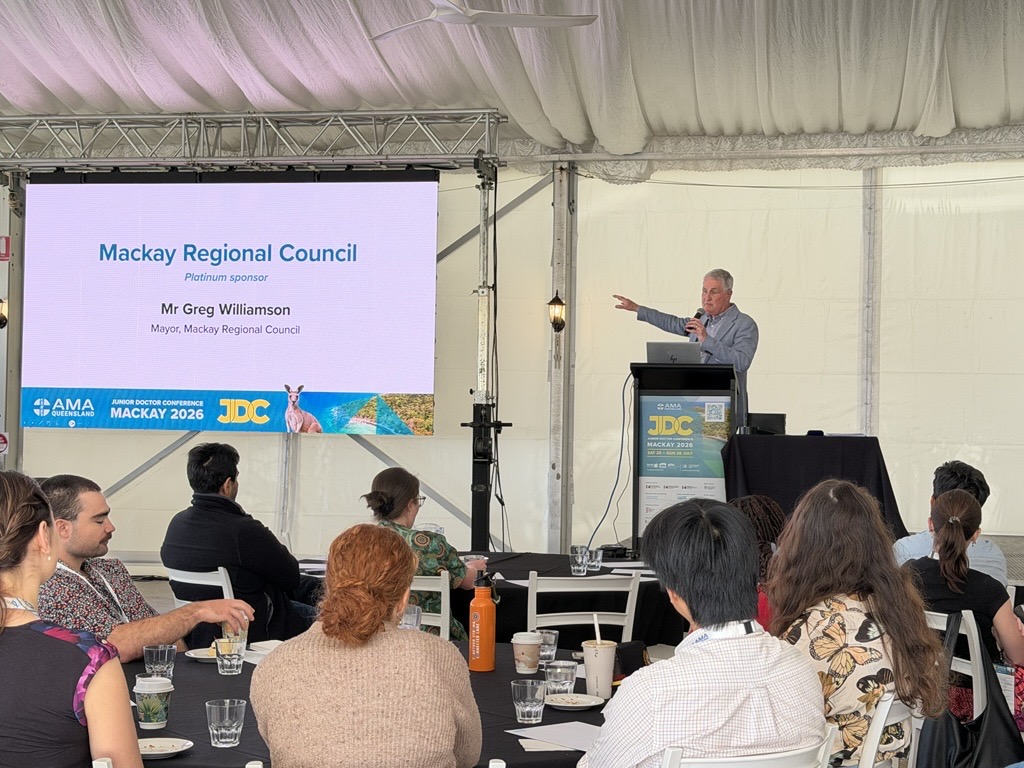
James Cook University has presented Mackay as an emerging centre for advanced regional medicine, research and healthcare innovation.
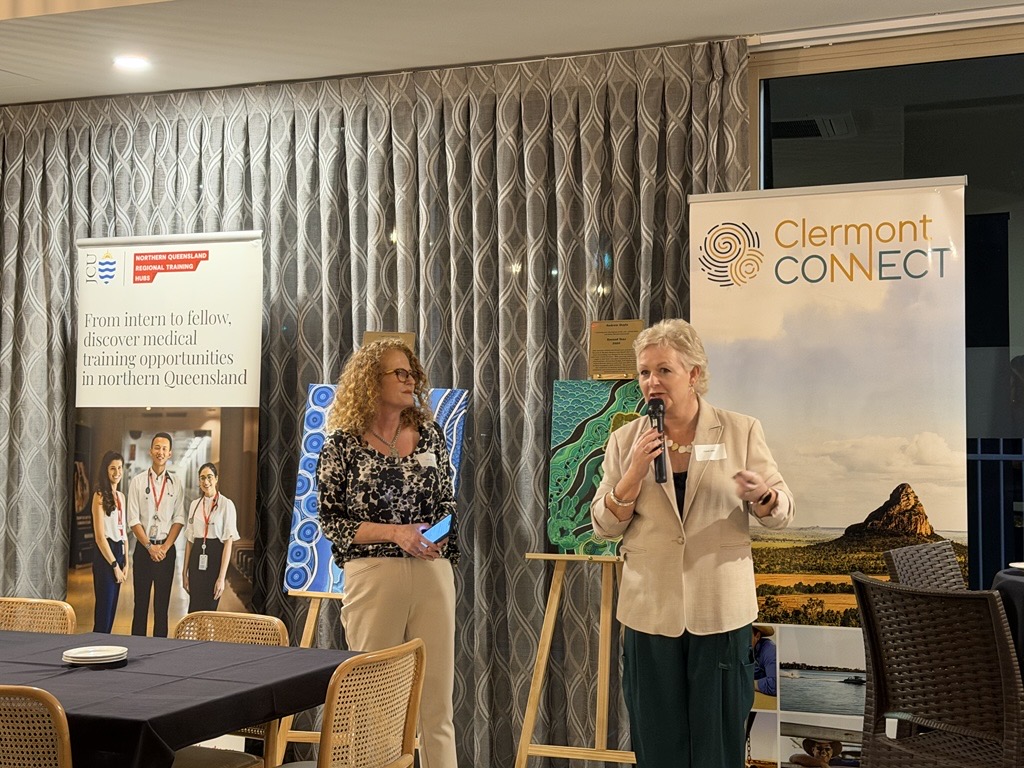
The university supported the Australian Medical Association Queensland Junior Doctors Conference through its Northern Queensland Regional Training Hubs.
Junior doctors and medical students from across Queensland heard from leading clinicians, medical educators and healthcare leaders.
The program covered regional careers, wellbeing, leadership and the future of medicine. It also challenged the belief that complex medicine, specialist training and research are limited to major cities.
Participants gained first-hand insight into rewarding medical careers available across regional communities.
Why It Matters?
The conference showed how regional Queensland can help develop the state’s future medical workforce.
It gave early-career doctors access to regional training, specialist knowledge and research opportunities. This exposure could help regional communities attract and retain more Australian-trained doctors.
Cherie Miller, JCU’s regional medical training manager in Mackay, said regional recruitment was critical to Queensland healthcare.
“Attracting and retaining Australian-trained doctors in regional communities is critical to the future of healthcare in Queensland,” Ms Miller said.
The program also showed participants how regional medicine extends beyond hospital settings into complex workplaces and industries.
Local Impact
Participants gained insight into hospital practice and the clinical demands of complex industrial environments.
Miller said this practical exposure gave regional training a clear point of difference from metropolitan programs.
“This workshop gave junior doctors and medical students an authentic insight into the range of situations and clinical challenges they may encounter while practising in regional areas, not just in hospitals, but in complex, real-world industrial environments,” she said.
“What we’re offering here is something junior doctors simply don’t get in a city-based training pathway.
“When doctors can see the impact they can make, the variety in their work and the support networks available, they are far more likely to build their careers in regions like ours.”
Her comments linked doctor retention with the professional impact, varied work and support networks available across Mackay.
By the Numbers
- The conference was the first Australian Medical Association Queensland Junior Doctors Conference held in the Whitsunday region.
- The event ran for three days, bringing together junior doctors and medical students from across Queensland.
- Seven disciplines joined Speed Dating the Specialties, covering surgery, psychiatry, paediatrics, intensive care, general practice, radiology and rural generalism.
Zoom In
The Speed Dating the Specialties session gave participants direct access to specialist mentors across several medical fields.
Junior doctors also presented their work through a dedicated research program. These sessions supported their academic, communication and leadership skills.
The wider program considered artificial intelligence in healthcare, medical leadership and advocacy. It also examined connections between healthcare and Australia’s growing space industry.
The regional setting added practical learning rarely available at metropolitan medical conferences. Participants completed a mine emergency medicine simulation based on complex industrial conditions.
They also received exclusive access to Bowen Orbital Spaceport, operated by Gilmour Space Technologies.
Zoom Out
AMA Queensland President Associate Professor Erica Gannon said the organisation was thrilled with the conference response in Mackay.
“AMA Queensland actively promotes the importance of rural and regional medicine to our members through events like the Junior Doctors Conference,” she said.
She connected regional medical recruitment with differences in health outcomes across Queensland.
“Queensland is Australia’s most decentralised state, and we know people living in the regions have worse health outcomes on metrics like cancer, diabetes and mental health. By showcasing the opportunities cities like Mackay hold for junior doctors, we hope to see more of them pursuing the challenges and rewards of medical careers outside Australia’s capitals.”
The conference showed that regional centres can provide complex clinical work, specialist mentoring, research and professional development.
What To Look For Next?
The conference could encourage more junior doctors and medical students to consider long-term careers in Mackay and other regional communities.
Continued access to mentors, research and practical training may help turn that interest into lasting regional medical careers.
Mackay could also gain wider recognition as a centre for advanced medicine, healthcare research and regional training.