What’s happening?
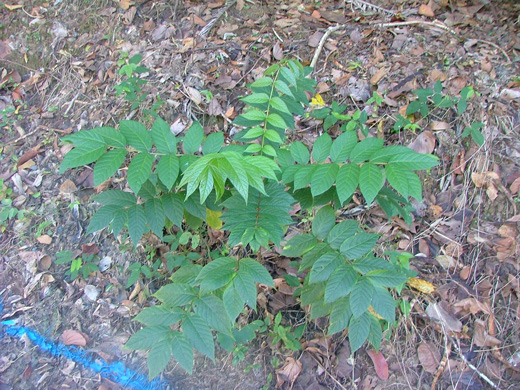
Mackay Regional Council has launched a community campaign encouraging residents to remove African tulip tree saplings from their properties.
The initiative, called “Save the bees, get rid of the trees”, was launched ahead of World Bee Day.
Council said the African tulip tree is toxic to native stingless bees and can threaten local biodiversity.
Mayor Greg Williamson said residents can help by checking gardens and disposing of young plants correctly.
“What we want people to do is have a look in their gardens and see if there are any African tulip tree saplings there. If there are, residents simply need to remove the plant and responsibly dispose of it,” Mayor Williamson said.
Why it matters?
Native stingless bees play a major role in pollinating plants and supporting food production.
Council said African tulip trees can spread easily if saplings are not disposed of properly.
Mayor Williamson said residents should place removed plants into sealed plastic bags before putting them in general waste.
“This will stop the spread of any seeds of suckers, which could happen if the plant is placed into green waste,” he said.
Local Impact
Council said the trees often grow in tight spaces around homes, including near fences and sheds.
Removing saplings early can help residents avoid costly tree removal later.
“The trees tend to establish themselves in areas that are difficult to access, like between sheds and fences, so it’s much better to remove them while they are small,” Mayor Williamson said.
By the numbers
- African tulip tree saplings under 50 centimetres should be sealed in plastic bags before disposal.
- African tulip trees can grow up to 24 metres high if left untreated.
- Three out of four crops producing fruits or seeds for human consumption rely partly on pollinators.
Zoom In
Co-chair of the Environment and Sustainability Strategic Advisory Committee Councillor Peter Sheedy said the campaign was launched at a suitable time of year.
“Not only does it highlight the threat this plant poses to a native species, but it falls at a time of year when the trees aren’t flowering prolifically,” Cr Sheedy said.
He said the campaign aimed to build stronger community awareness around protecting native bees.
Zoom Out
Council said pollinators remain important to both biodiversity and food security.
Cr Sheedy said protecting native bees also supports local ecosystems and agriculture.
“Pollination is crucial to achieving food security, as three out of four crops producing fruits or seeds for human consumption rely in part on pollinators,” he said.
What To Look For Next?
Residents are being encouraged to identify and remove juvenile African tulip trees from their yards.
Council advises larger or established trees should be removed by a qualified arborist.
More community education around invasive plants and native pollinators is expected through the campaign.