What’s Happening?
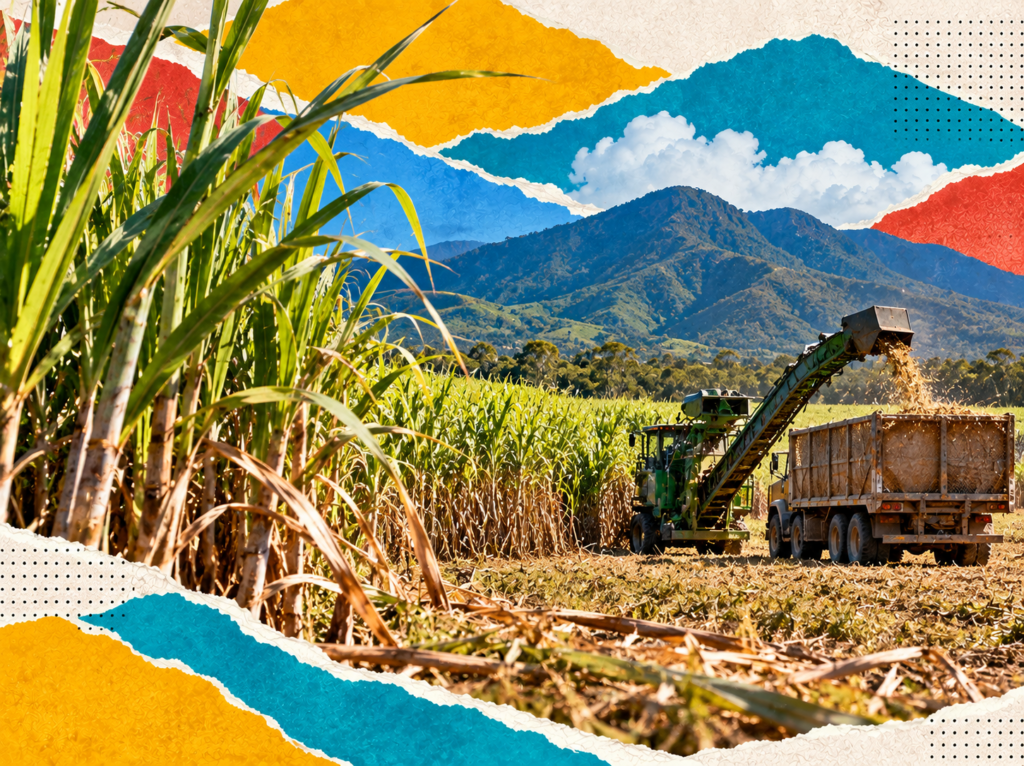
Queensland’s cane farmland sector faced challenging conditions during the first half of 2026, according to the Australian Farmland Values Mid-Year Report from Bendigo Bank Agribusiness.
While Queensland farmland values increased overall, more challenging conditions facing cane, horticultural and cropping operations weighed on buyer interest. A rise in the cash rate also affected these more cost-sensitive sectors.
Why It Matters
The pressure on cane farmland comes as Queensland’s broader farmland market continues to record price growth.
However, Bendigo Bank Agribusiness said affordability pressures were especially evident across horticultural and sugar cane operations, which have struggled in the current cost environment.
The report said farmers are increasingly considering smaller parcels, leasing and on-farm improvements instead of outright land purchases, contributing to fewer sales.
Local Impact
However, the Queensland findings highlight the contrasting conditions facing different agricultural sectors. While demand for good-quality properties remained strong, sugar cane operations were among those affected by affordability pressures and the current cost environment.
By The Numbers
- $11,047 per hectare — Queensland’s median farmland price during the first half of 2026, up 11.9 per cent year-on-year to a record high.
- 647 transactions — recorded across Queensland, down 10.8 per cent year-on-year and the lowest half-yearly sales volume in more than 32 years.
- 70 per cent — the increase in Queensland land values over the previous five years, contributing to affordability pressures affecting demand.
Zoom In
Conditions differed considerably between agricultural sectors.
Cattle markets remained buoyant during the first half of 2026, supporting demand for grazing land. In contrast, challenging conditions across cane, horticultural and cropping operations weighed on buyer interest.
In its Far North and North commentary, Bendigo Bank Agribusiness reported that horticultural blocks remained under significant pressure, while cane farms faced limited growth prospects amid a soft price outlook.
Cattle properties in those regions, however, were in particularly high demand following several strong seasons and high prices.
Zoom Out
Across Queensland, five of the seven reported regions recorded year-on-year growth in median farmland prices.
Despite widespread price appreciation, the availability of farmland continued to tighten. The report said ongoing land consolidation and affordability pressures contributed to fewer transactions, while farmers increasingly considered smaller parcels, leasing and investing in on-farm improvements rather than outright land purchases.
Queensland’s statewide median farmland price reached a record $11,047 per hectare, up 11.9 per cent year-on-year.
What To Look For Next?
Bendigo Bank Agribusiness forecasts modest growth in Queensland farmland values into 2027. However, market direction will increasingly depend on how seasonal conditions develop over the next six months, while the direction of the cattle sector will also influence the farmland market.
For cane properties, the outlook remains more challenging. In its Far North and North commentary, the report anticipates the value of horticultural and cane blocks will remain under pressure.
Check out the Australian Farmland Values Mid-Year Report.