What’s happening?
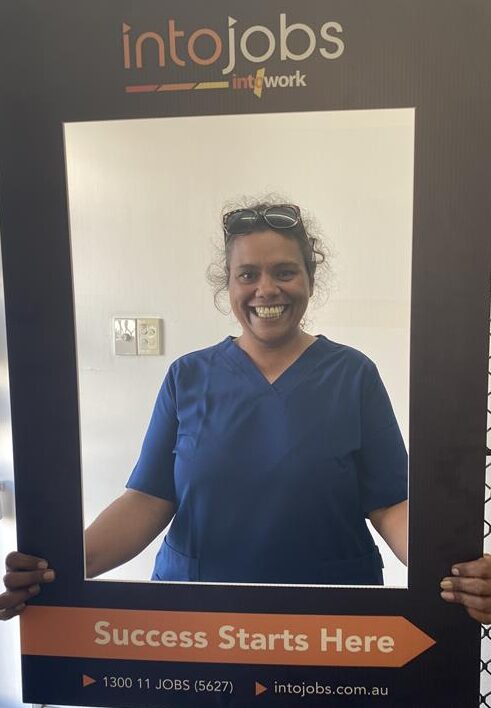
Birri Gubba, Djabugay, Jingili and Mudburra woman Allira Nea Brown is reshaping her life after a difficult period marked by grief, housing stress and a late diagnosis of ADHD. After 17 years as a support worker, she stepped away when her workplace no longer aligned with her values. This led to over a year of unemployment.
Her turning point came through IntoJobs delivered by MRAEL, both part of the IntoWork Group, and support from Mobile Employment Consultant Shannon Connelly. Shannon helped her secure counselling, housing support, financial guidance and important documents.
Why it matters
Allira’s story speaks to the reality faced by many First Nations families dealing with intergenerational trauma, social pressures and the ongoing impacts of poor mental health support. Her new role not only gives her stability, it sets her on the path to her dream career in psychiatric care.
She hopes her experience will inspire others to seek help and challenge stigma.
Local impact
Allira now works within a local First Nations health service led by women she admires. Her work supports Aboriginal people in hospital and prison systems who are often carrying deep psychosocial challenges. Her lived experience shapes her approach and strengthens the community around her.
By the numbers
• Her 17 years as a support worker shaped her understanding of mental health needs across regional Queensland.
• More than a year of unemployment followed her decision to leave a workplace that no longer aligned with her values.
• One consultant, Shannon, organised her blue card and yellow card on day one after months of delays with another provider.
Zoom in
Allira said the help from IntoJobs changed her future. “Shannon was just amazing. She helped me immediately on the first day I went in there; my blue card and yellow card were organised after I tried for months with a previous employment provider.”
She said moving into health care feels right for her. “It’s my dream to work in a psychiatric ward, helping others.”
She added that her lived experience gives her purpose. “I used to work with young people with psychological disabilities, that’s my niche, but this career path Shannon supported me in is where I want to be. There’s a huge need for it, especially supporting Aboriginal people in the hospital and prison systems.”
She also spoke about the stigma that still affects many families. “There’s still a lot of stigma within communities; they think they’re going silly in the head or that the devil is on their back. But you know, I’m not denying the spirituality side of things, a lot of the time it’s what’s going on in their brain mentally, and that’s deep seated in intergenerational trauma. So, I want to help people who need help that way.”
Zoom out
Allira sees a clear need for more Aboriginal health workers in hospital and prison settings. She said many families are still facing stigma and misunderstanding.
There’s still a lot of stigma within communities, they think they’re going silly in the head or that the devil is on their back. But a lot of the time it’s what’s going on in their brain mentally and that’s deep seated in intergenerational trauma.
Her role now is part of the wider support network that aims to shift these patterns.
What to look for next
Allira plans to continue her training and move into psychiatric care. Shannon said these steps show what genuine support can spark for families in regional Queensland.